Fashion moves fast. One season celebrates bold prints; the next demands muted minimalism. Colors that dominate spring may disappear by winter. In this constant rotation, it becomes easy to mistake trend awareness for true style. Yet elegance exists in a different dimension—one untouched by seasonal shifts or viral moments. Elegant fashion lives beyond trends. It is timeless, intentional, and deeply personal.
The Difference Between Fashion and Elegance
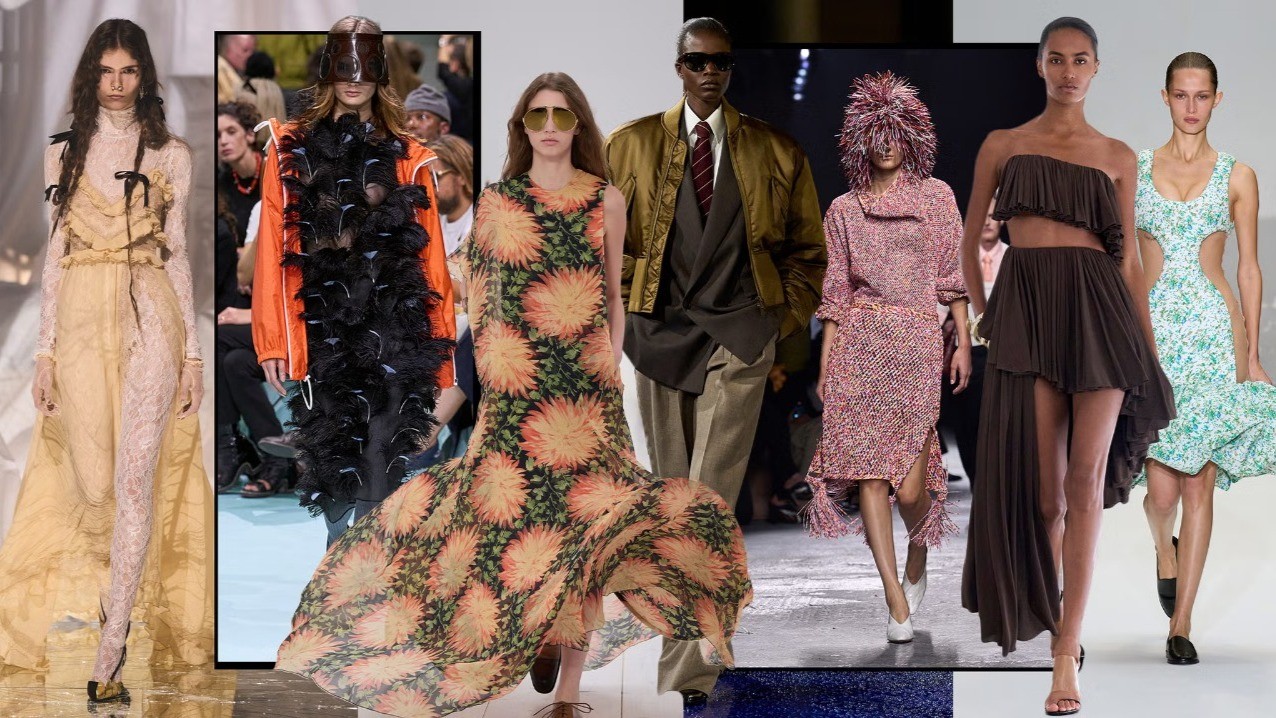
Fashion is external. It responds to industry forecasts, designer collections, and social influence. Elegance, however, is internal. It reflects taste, discipline, and awareness. A person can wear the latest runway-inspired outfit and still lack elegance. Conversely, someone dressed in a simple, classic ensemble can command attention through composure alone. The distinction lies not in complexity, but in character. Elegant fashion prioritizes harmony—between clothing and personality, between detail and simplicity, between expression and restraint.
Timeless Silhouettes Over Temporary Hype
Certain shapes never lose relevance. A tailored blazer, a flowing midi dress, structured trousers, or a well-cut coat have survived decades of trend cycles. These silhouettes work because they complement the human form rather than compete with it. Choosing timeless cuts eliminates the anxiety of staying current. Instead of asking, Is this trending? An elegant dresser asks, Will this still look refined five years from now? Longevity becomes the guiding principle. And longevity builds a wardrobe that feels stable rather than seasonal.
The Art of Subtlety
Elegance rarely demands attention. It draws it naturally. Subtlety is its signature. Soft color palettes, balanced proportions, and carefully chosen accessories create a quiet impact. Nothing feels forced. Nothing feels excessive. An elegant look often includes one focal point—a structured handbag, a silk scarf, a pair of classic heels—while the rest remains understated. This restraint signals confidence. It suggests that the wearer understands that sophistication lies in balance.
Fabric as a Language of Refinement
Materials speak before design does. Crisp cotton communicates freshness. Silk reflects fluid grace. Wool conveys structure and warmth. Linen suggests relaxed poise. Elegant fashion places emphasis on texture and quality. Even the simplest design can appear elevated when crafted from fine fabric. Conversely, elaborate designs lose impact if the material lacks substance. The feel of clothing against the skin influences posture and movement. High-quality fabrics encourage composure. They flow naturally and enhance presence.Elegance is often felt before it is seen.
Consistency as a Style Signature
Trends shift unpredictably, but elegant individuals cultivate consistency. They develop a recognizable aesthetic—perhaps built around monochrome outfits, tailored essentials, or soft feminine silhouettes. Consistency creates identity. It allows others to associate a certain polish or refinement with that person’s presence. This does not mean dressing identically every day; it means maintaining a cohesive style language. Over time, this consistency becomes a signature—distinct yet effortless.
Dressing for Longevity, Not Attention
Trend-based fashion often seeks immediate reaction. It aims to impress quickly and dramatically. Elegant fashion focuses on a lasting impression. Instead of bold statements meant for fleeting admiration, elegance values dignity. It asks: Does this reflect who I am becoming? This long-term perspective shifts priorities. The goal is not to stand out for shock value, but to stand firm in authenticity. When dressing moves beyond seasonal influence, it begins to reflect maturity and clarity.
The Role of Grooming and Presentation
Clothing alone cannot create elegance. Grooming, posture, and attention to detail complete the picture. Neatly pressed garments, polished shoes, and subtle accessories communicate care. Upright posture conveys assurance. Calm movements reflect composure. Elegant fashion is holistic. It encompasses how one walks, speaks, and interacts. The clothing supports the presence; it does not overshadow it.
Emotional Discipline in Style
Trends often trigger emotional purchases—buying out of excitement, fear of missing out, or comparison. Elegance requires emotional discipline. It involves pausing before purchasing. Considering versatility. Evaluating whether a piece aligns with long-term style rather than momentary attraction. discipline protects both budget and identity. It reduces clutter and builds clarity. When style decisions are thoughtful, wardrobes become purposeful rather than reactive.
Neutral Foundations with Personal Depth
While elegance frequently embraces neutral tones—black, ivory, camel, navy—it does not eliminate personality. Instead, personality emerges through subtle variation. A structured white shirt may be paired with textured trousers. A beige ensemble may include delicate gold accents. A navy dress may be styled with understated statement earrings. The key lies in balance. Personality is expressed through refinement rather than extravagance.
Adapting Without Losing Identity
True elegance adapts to the occasion without sacrificing essence. In professional settings, it may lean toward structured tailoring. In social environments, it may soften into flowing silhouettes. During formal events, it may embrace richer textures. Yet across all contexts, a thread of consistency remains. The color palette, fit preference, or minimalist approach continues to define the look. Adaptability combined with identity creates versatility without confusion.
Sustainability Through Timeless Choices
Fast-changing trends often encourage overconsumption. Elegant fashion counters this by embracing durability. Investing in well-made garments reduces the need for constant replacement. Choosing classic cuts minimizes obsolescence. Caring for clothing extends its lifespan. This approach not only refines personal style but also supports environmental responsibility. Timeless wardrobes naturally produce less waste. Elegance, therefore, becomes both aesthetic and ethical.
The Inner Dimension of Elegance
Ultimately, elegant fashion begins within. It stems from self-respect and awareness. When someone values themselves, they dress accordingly—not extravagantly, but intentionally. Confidence strengthens simplicity. Clarity enhances minimalism. Character deepens refinement. An elegant person does not need constant validation. Their style mirrors inner calm.
Beyond the Calendar
Seasons change. Fashion cycles repeat. What was once outdated may return in altered form. But true elegance remains steady. It does not depend on spring collections or autumn palettes. It does not fluctuate with social media trends. It stands apart—anchored in timeless design, quality materials, and thoughtful restraint. Elegant fashion beyond trends and seasons is not about resisting change. It is about choosing permanence within change. In the end, the most refined wardrobes are not the largest or the most expensive. They are the most intentional. They reflect maturity, confidence, and clarity.